
Flax egg is one of my favorite kitchen swaps because it’s simple, natural, and works beautifully in baking. By mixing flax meal with water, you can create a quick replacement that binds ingredients much like a regular egg would. I’m Jenna Cooper, a chef from Asheville, North Carolina, where my love for cooking first grew in my Aunt Evelyn’s kitchen. Those Sunday afternoons filled with biscuits, chili, and laughter taught me that food should always be approachable and bring people together.
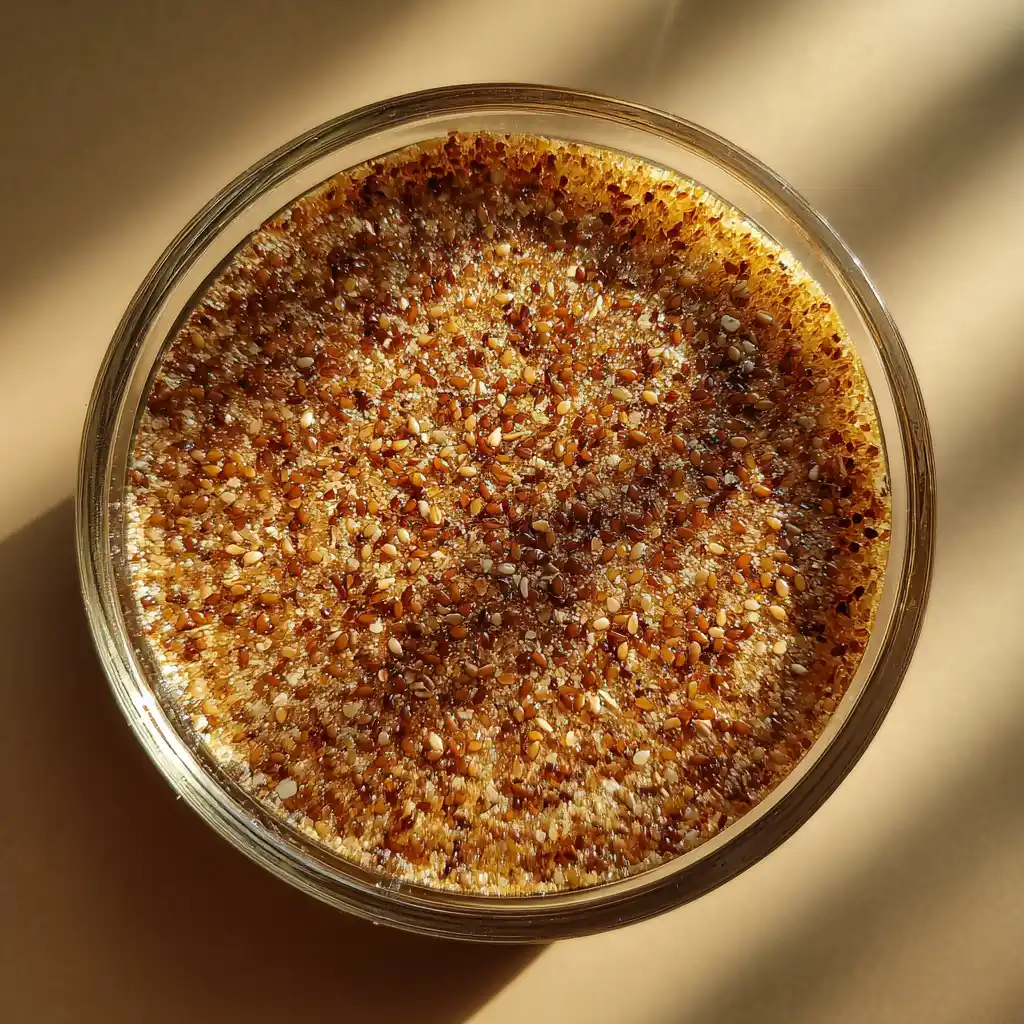
In this article, I’ll explain the proper ratio for making this substitute, show you how to adjust it for different recipes, and compare it with regular eggs in terms of nutrition. We’ll also explore chia egg vs flax egg, fix common problems, and finish with a few of my go-to recipes where this swap shines.
Learn more about delicious egg-free desserts in this Eggless Banana Cake Recipe.
Table of Contents

How to Make a Flax Egg
Equipment
- small mixing bowl
- 1 tablespoon measuring spoon
- whisk or spoon for mixing
Ingredients
- 1 tablespoon flax meal ground flax seeds
- 3 tablespoons water
For 2 eggs
- 2 tablespoons flax meal
- 6 tablespoons water
For 3 eggs
- 3 tablespoons flax meal
- 9 tablespoons water
Instructions
- Place the flax meal into a small bowl.
- Add the water and stir until combined.
- Let the mixture sit for 5–10 minutes until it thickens and becomes gel-like.
- Use immediately in place of eggs in baking or cooking.
Notes
Introduction to Flax Egg
What is a flax egg?
A flax egg is a simple, two-ingredient substitute often used in vegan and plant-based recipes. It is made by mixing ground flax meal with water, then letting it sit until it develops a gel-like texture. This thickened mixture works much like a traditional egg in baked goods. It binds ingredients together and adds moisture without changing the overall flavor of your recipe.
The standard formula is easy to remember: 1 tablespoon of flax meal plus 3 tablespoons of water equals one replacement egg. After resting for about 10 minutes, the mixture thickens enough to be added to batters for cookies, muffins, pancakes, or quick breads. While it will not whip into peaks like egg whites or provide the exact same structure as chicken eggs, it works very well in recipes where eggs are mainly used as binders.
Why this substitute is popular in vegan and plant-based cooking
Part of the appeal lies in how accessible and affordable flax seeds are. Flax meal is available in nearly every grocery store, and just a small bag can make dozens of egg replacements. Beyond convenience, this swap also adds nutrition to recipes. Flax seeds are rich in fiber, plant-based protein, and heart-healthy omega-3 fatty acids.
For many cooks, using this alternative is not only about diet but also about inclusivity. It allows you to serve baked goods to people who avoid eggs because of allergies, ethical choices, or dietary needs. When comparing chia egg vs flax egg, many bakers prefer flax for its mild flavor and smoother texture when finely ground.
In short, this little kitchen trick does more than replace eggs. It makes baking more approachable and enjoyable for everyone at the table.
How to Make a Flax Egg
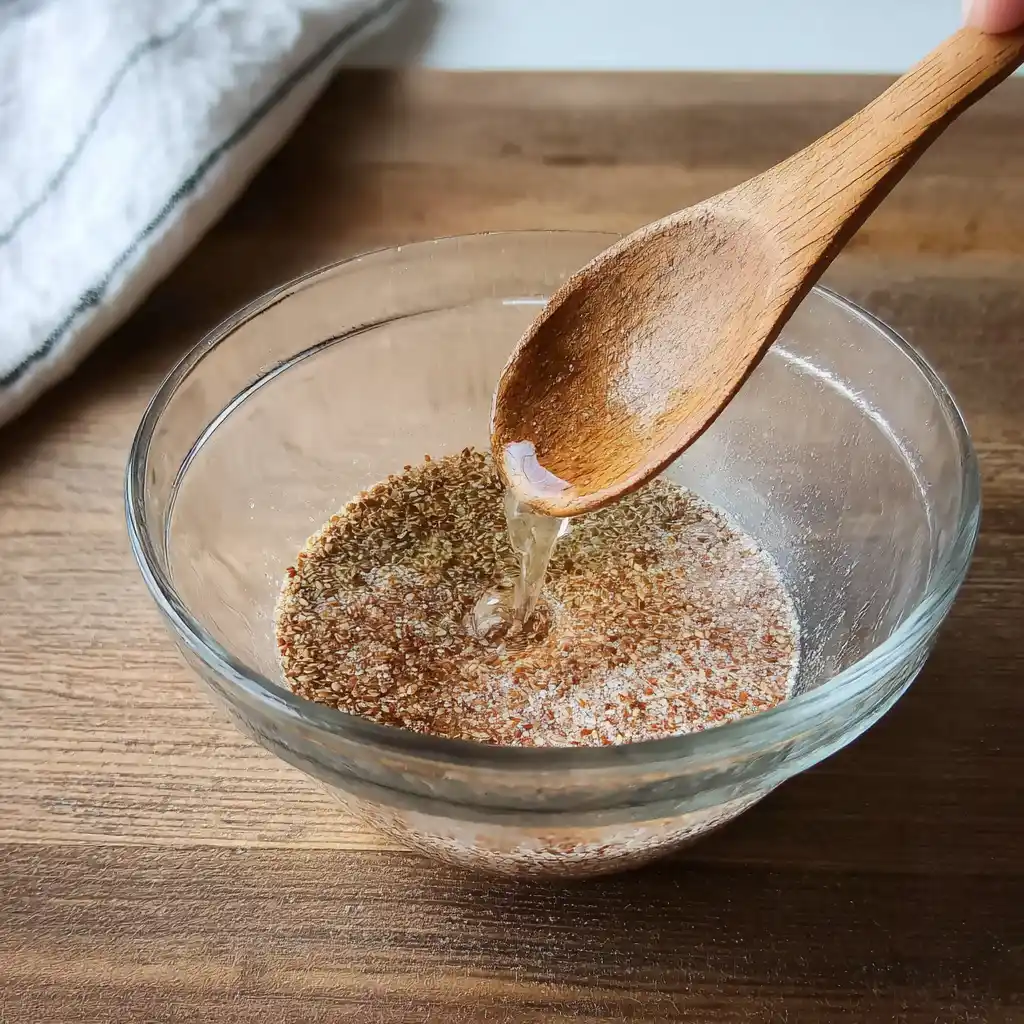
Step-by-step instructions for making a flax egg
Making this substitute is quick and requires only two ingredients. All you need is flax meal and water. Here is the process:
- Measure 1 tablespoon of flax meal (ground flax seeds).
- Mix it with 3 tablespoons of water in a small bowl.
- Stir well to combine.
- Let the mixture sit for 5–10 minutes until it thickens into a gel-like consistency.
- Once ready, use it in place of one egg in your recipe.
This simple formula gives you 1 flax egg, which works well in cookies, brownies, quick breads, and other baked goods that need binding and moisture.
| Flax Egg Ratio | Equivalent to | Use in Recipes |
|---|---|---|
| 1 tbsp flax meal + 3 tbsp water | 1 egg | Cookies, muffins |
| 2 tbsp flax meal + 6 tbsp water | 2 eggs | Pancakes, cakes |
| 3 tbsp flax meal + 9 tbsp water | 3 eggs | Breads, brownies |
Ratio of flaxseed to water explained
The flax egg ratio is important because too little water will make the mixture dry, while too much water will leave it thin and runny. The classic ratio is 1:3 (flax meal to water). This balance allows the seeds to absorb water, expand, and create the gel-like structure that mimics egg binding.
If you need more than one egg, simply multiply the amounts. For example:
- Flax egg ratio for 2 eggs: 2 tablespoons flax meal + 6 tablespoons water
- Flax egg ratio for 3 eggs: 3 tablespoons flax meal + 9 tablespoons water
It is best to prepare each mixture in separate bowls for consistent results, rather than combining a large batch in one container.
This substitute does not rise like eggs do, so it is most effective in recipes where the egg’s primary role is moisture and binding rather than structure. Still, with the right ratio, it delivers excellent results in many traditional dishes.
Check out these light and fluffy Egg-Free Pancakes to see how this swap works in breakfast recipes.
Benefits of Using Flax Egg
Health benefits of flaxseeds
One of the biggest advantages of using this substitute is the added nutrition it brings to your meals. Flax seeds are packed with fiber, which supports digestion and helps you feel fuller for longer. They are also a rich source of omega-3 fatty acids, essential for heart health, and contain plant-based protein that supports a balanced diet.
When comparing flax egg nutrition to traditional eggs, there are clear differences. A chicken egg provides more complete protein and certain vitamins like B12, but a flax-based substitute offers more fiber and zero cholesterol. This makes it a great option for people managing cholesterol levels or following a vegan lifestyle.
| Nutrient (per serving) | 1 Flax Egg | 1 Chicken Egg |
|---|---|---|
| Calories | ~35 | ~70 |
| Protein | ~1.3g | ~6g |
| Fiber | ~2g | 0g |
| Cholesterol | 0mg | 186mg |
| Omega-3s | High | Low |
Advantages of flax eggs in baking and cooking
Beyond nutrition, this substitute offers practical benefits in the kitchen. It is affordable, easy to prepare, and can be made in minutes with pantry staples. Flax egg recipes are especially popular for cookies, muffins, pancakes, and brownies where eggs act mainly as a binder.
Another advantage is versatility. Because flax meal has a mild, nutty taste, it blends smoothly into batters without overpowering other flavors. Unlike some store-bought egg replacers, it keeps recipes natural and simple.
For cooks serving people with allergies or dietary restrictions, this substitute is also a lifesaver. It provides a safe and reliable way to make baked goods that everyone can enjoy, regardless of whether they avoid eggs for health, ethical, or personal reasons.
Don’t miss our easy Dairy-Free Waffles for another wholesome breakfast idea.
Flax Egg vs Regular Eggs
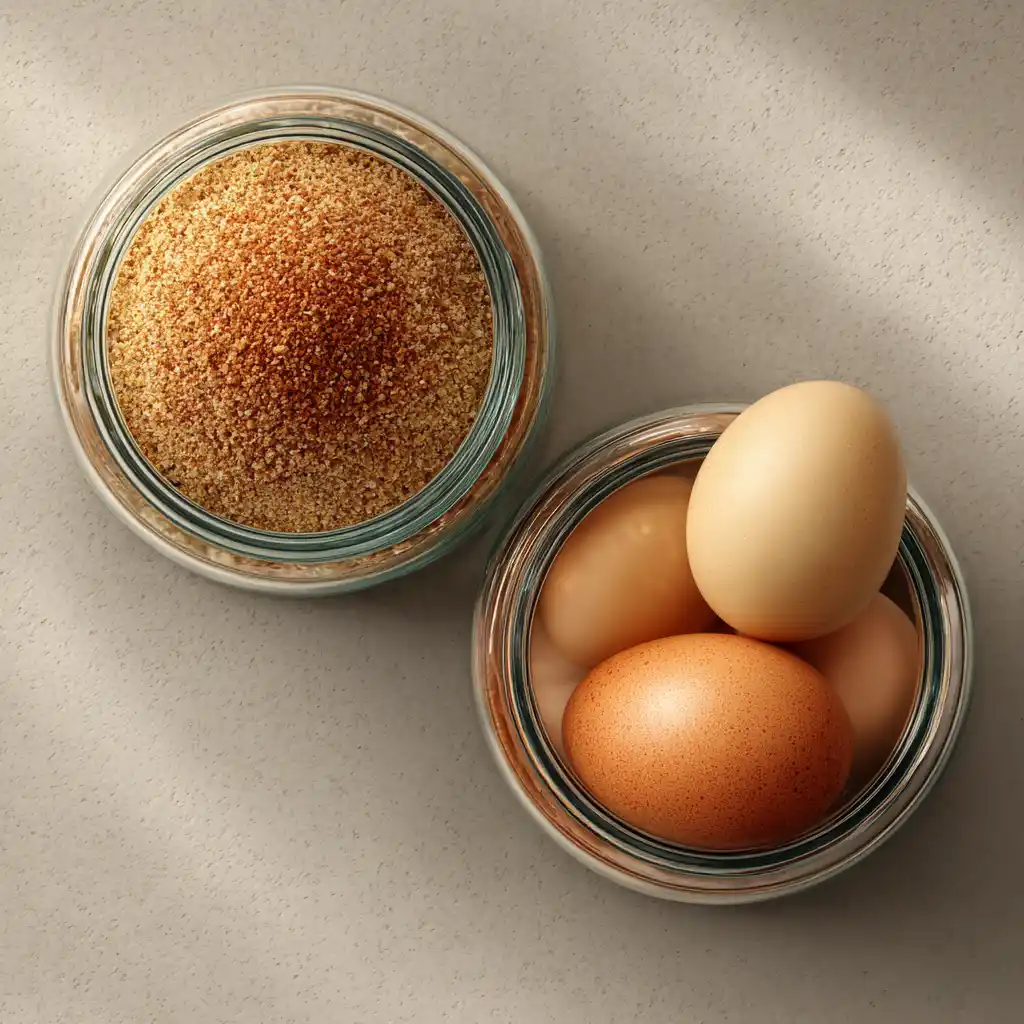
Nutritional comparison of flax eggs and chicken eggs
When comparing flax egg vs egg, the nutritional profiles are quite different. A chicken egg is higher in protein, vitamin B12, and vitamin D, but it also contains cholesterol and saturated fat. On the other hand, a flax-based substitute has no cholesterol, offers extra fiber, and provides a healthy dose of omega-3 fatty acids.
Here’s a quick comparison:
| Nutrient | 1 Flax Egg | 1 Chicken Egg |
|---|---|---|
| Calories | ~35 | ~70 |
| Protein | ~1.3g | ~6g |
| Fiber | ~2g | 0g |
| Cholesterol | 0mg | 186mg |
| Omega-3s | High | Low |
This shows why many health-conscious bakers choose flax. While it will not fully replace the protein value of eggs, it does add nutrients that are often lacking in traditional baking.
Best recipes where flax eggs work well
The real question for most home cooks is not only about nutrition but about performance in recipes. In baked goods where eggs are used mainly for binding and moisture, this substitute works almost seamlessly. Cookies, brownies, pancakes, muffins, and quick breads are some of the best examples of flax egg recipes.
However, there are limits. Because the mixture does not whip or provide the same structure as egg whites, it will not work for dishes like meringues, soufflés, or recipes that depend heavily on egg volume for lift. For these, traditional eggs remain necessary.
That said, if your recipe only calls for eggs to hold ingredients together or add softness, the flax version is an excellent choice. With the right flax egg ratio, you can achieve moist, flavorful results while adding an extra boost of nutrition.
Flax Egg Substitutions & Alternatives
When to use chia eggs instead of flax eggs
A common question is how a chia egg vs flax egg compares in baking. Both are made the same way: one tablespoon of ground seeds mixed with three tablespoons of water. After a short rest, each mixture develops a gel-like consistency that works as a binder in recipes.
The main difference lies in texture and flavor. Chia seeds create a thicker, more jelly-like mixture that can add extra structure to recipes like pancakes, waffles, or breads. Flax meal, on the other hand, has a smoother finish and a mild nutty taste that blends better in cookies, muffins, or cakes.
Nutritionally, both offer fiber, protein, and omega-3 fatty acids. However, some bakers find chia seeds slightly crunchier unless finely ground, while flax becomes almost invisible once mixed into a batter. For this reason, many people keep both in their pantry and use them depending on the recipe.
Other vegan egg substitutes to consider
While flax egg recipes are versatile, they are not the only option for replacing eggs. Here are a few alternatives worth considering:
- Applesauce – About 1/4 cup of unsweetened applesauce can replace one egg in cakes and quick breads. It adds moisture but may create a sweeter flavor.
- Mashed banana – Similar to applesauce, 1/4 cup mashed banana works as a binder. Best in muffins, pancakes, or brownies where the fruit flavor complements the recipe.
- Silken tofu – Blended silken tofu creates a creamy base for dense baked goods like cheesecakes or brownies. Use about 1/4 cup per egg.
- Commercial egg replacers – Powdered products like Ener-G or Bob’s Red Mill Egg Replacer can be used in both baking and cooking. These are convenient but more processed.
Each substitute comes with strengths and weaknesses. The choice depends on the role eggs play in your recipe. For structure and lift, commercial replacers or tofu may be better. For natural, nutrient-rich options, flax and chia remain the most popular.
Recipes with Flax Egg

Baking recipes with flax eggs
Baking is where this substitute truly shines. In most cases, 1 flax egg is enough to bind a small batch of cookies, muffins, or brownies. For larger recipes that call for multiple eggs, simply scale up using the correct ratio.
Some of the most reliable flax egg recipes for baking include:
- Chocolate chip cookies – Soft and chewy with no noticeable difference in taste compared to the traditional version.
- Banana muffins – Moist, fluffy, and perfectly sweet. The flax mixture adds a light nutty undertone.
- Brownies – Dense and fudgy with excellent binding, especially in recipes where eggs are used mainly for texture.
- Pumpkin bread – Warm, spiced flavors combine beautifully with the subtle nuttiness of flax meal.
The key is remembering that this substitute works best in recipes where eggs serve as a binder or moisture provider, not as the main leavening agent.
Cooking recipes with flax eggs
Beyond sweets, this swap can also play a role in savory cooking. While it cannot scramble or fry like chicken eggs, it helps hold ingredients together in many plant-based dishes.
Examples include:
- Vegan pancakes – Fluffy and golden, with a flax egg ratio for 2 eggs working well in larger batches.
- Veggie burgers – Helps bind beans, lentils, and vegetables so patties stay firm during cooking.
- Zucchini fritters – Keeps shredded vegetables together while adding a light nutty flavor.
- Savory quick breads – Works perfectly in cornbread or herbed loaves, keeping them moist without overpowering flavors.
Using this substitute makes recipes accessible for anyone avoiding eggs while still delivering texture and structure. With a little experimentation, you will quickly learn which dishes benefit most from this versatile swap.
Try these soft and fluffy Oat Milk Pancakes, which pair perfectly with a flax egg substitute.
FAQs About Flax Eggs
What is the ratio for a flax egg?
The standard ratio is 1 tablespoon of ground flax meal mixed with 3 tablespoons of water. Stir well and let it sit for about 5–10 minutes until it forms a gel-like texture. This equals one egg in most recipes.
How to make an egg out of flax?
To make one replacement egg, combine 1 tablespoon flax meal with 3 tablespoons water. Stir and allow the mixture to rest until it develops a thick, jelly-like consistency. That’s all you need to create an easy, plant-based binder.
Are 2 flax eggs equal to 2 eggs?
Yes. To replace two eggs, simply double the ratio. Use 2 tablespoons flax meal mixed with 6 tablespoons water. For the best results, prepare each mixture separately instead of doubling everything in one bowl.
Why is my flax egg not thickening?
If your mixture stays watery, a few factors may be to blame. Old flax meal can lose its ability to absorb water, so always use fresh ground flax. Water that is too cold may slow the process, and not giving it enough resting time can also prevent thickening. Letting the mixture sit for at least 10 minutes usually solves the problem.
How much flax seed is 3 eggs?
To replace three eggs, use 3 tablespoons flax meal and 9 tablespoons water. As with smaller batches, mix well and allow it to thicken before adding it to your recipe.
Conclusion
Key takeaways on using flax eggs
The flax egg is a simple yet powerful tool for anyone looking to bake or cook without traditional eggs. By combining flax meal with water, you can create an easy, affordable substitute that works well in cookies, muffins, pancakes, breads, and even savory dishes like veggie burgers or fritters. With the right flax egg ratio, whether for 1, 2, or 3 eggs, you can achieve reliable results every time.
Nutritionally, this substitute provides fiber, omega-3s, and plant-based protein while avoiding cholesterol. It may not whip like egg whites or provide the same lift in certain recipes, but for binding and moisture, it performs beautifully.
Final thoughts for home bakers and cooks
Cooking should be approachable, fun, and inclusive. Using a flax egg in your recipes not only opens the door for vegan and egg-free diets but also introduces more nutrition into everyday meals. With just a few tablespoons of flax meal and water, you have a versatile, plant-based option that keeps food delicious and accessible to everyone at the table.
Whether you are new to baking or a seasoned cook, experimenting with this substitute is a great way to expand your skills and explore new flavors. With practice, you will know exactly when to reach for it and when to stick with traditional eggs. Either way, you will have the confidence to create recipes that are wholesome, tasty, and truly welcoming.