
Oat milk pancakes are more than just a dairy-free twist on a breakfast classic—they’re a recipe close to my heart. I’m Jenna Cooper, a chef from Asheville, North Carolina, raised in a family where food was about comfort, creativity, and connection. From watching my Aunt Evelyn flip golden pancakes in her cozy kitchen to teaching cooking classes today, pancakes have always symbolized joy and togetherness.
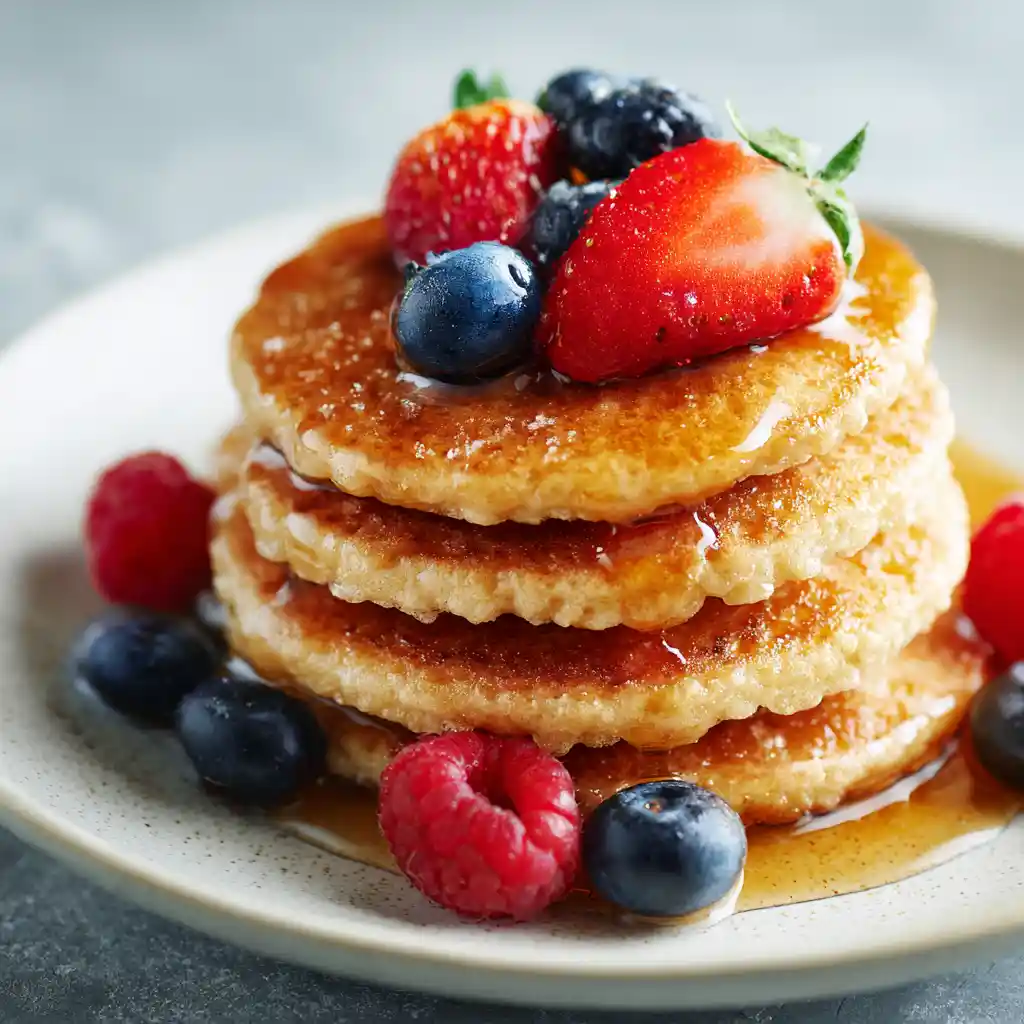
This recipe shows how oat milk can create pancakes that are just as fluffy, tender, and delicious as traditional ones. Whether you’re trying oat milk pancakes vegan, experimenting with egg-free versions, or making them light and golden for kids, I’ll guide you step by step. Cooking should be approachable and fun, and these pancakes are proof that simple ingredients—when used with a little love—can create something truly special.
Table of Contents
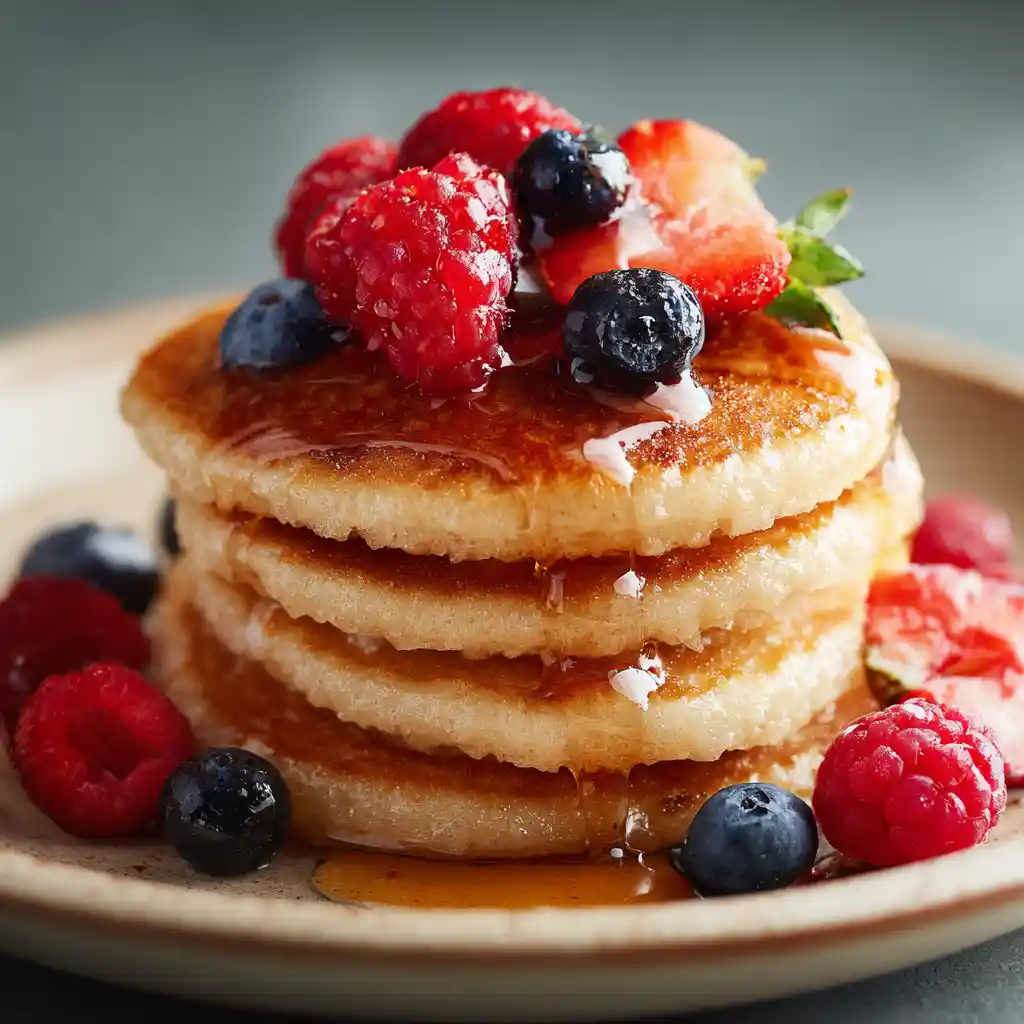
Fluffy Oat Milk Pancakes
Ingredients
Equipment
Method
- In a mixing bowl, combine flour, sugar, and salt.
- In another bowl, whisk together oat milk, egg (or flax egg), oil, and vanilla extract.
- Pour wet ingredients into dry ingredients. Stir gently until just combined—don’t overmix.
- Let the batter rest for 5 minutes.
- Heat a lightly oiled non-stick skillet over medium heat.
- Pour about ¼ cup of batter for each pancake. Cook until bubbles form on top, 2–3 minutes.
- Flip and cook another 1–2 minutes until golden brown.
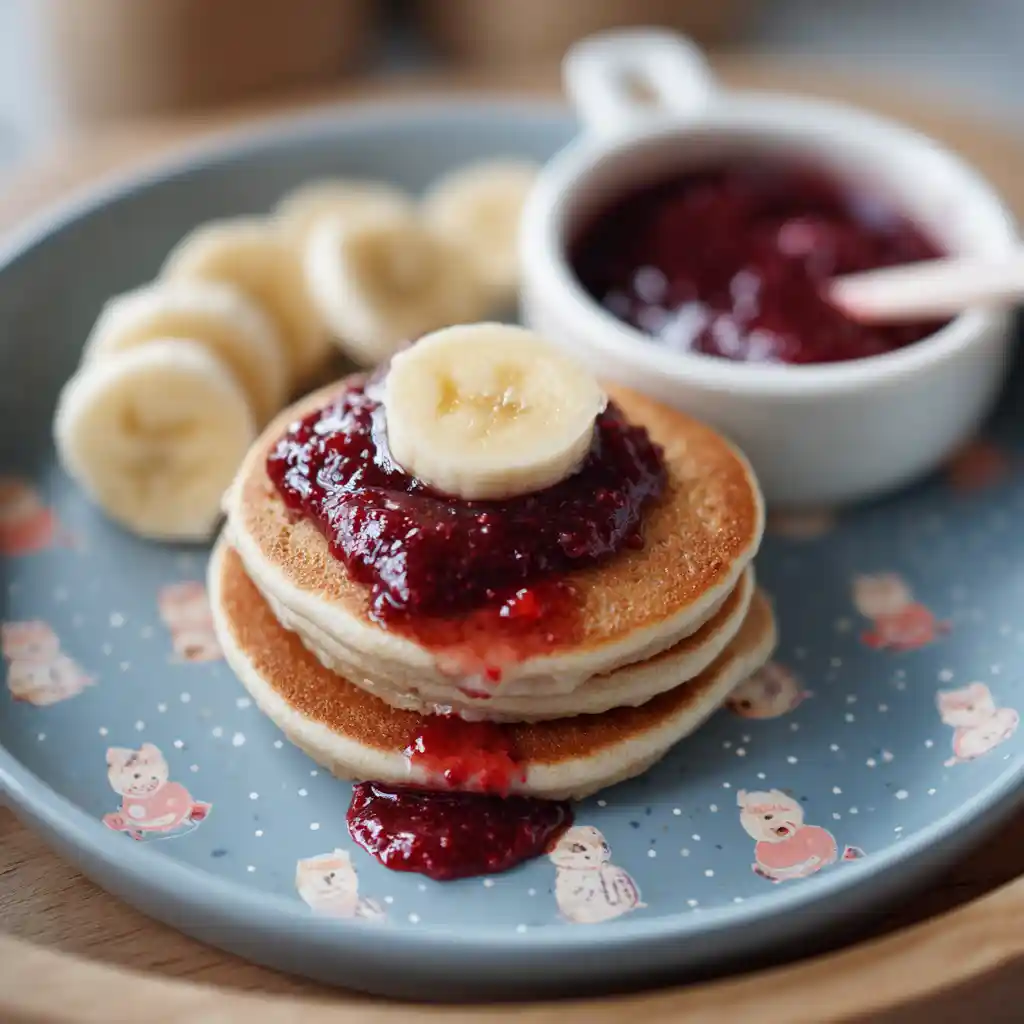
- Serve warm with syrup, fresh fruit, or baby-friendly toppings like mashed banana.
Notes
For oat milk pancakes with egg, stick to the traditional recipe for extra rise.
For oat milk pancakes for baby, omit sugar and top with fruit purée or mashed banana.
For thinner oat milk crepes, add an extra ¼ cup oat milk to the batter and spread thinly in the skillet.
What Are Oat Milk Pancakes?
Understanding Oat Milk
Oat milk is a plant-based milk made by blending oats with water, then straining to create a smooth, creamy drink. Its naturally sweet flavor and mild texture make it one of the most versatile dairy alternatives for cooking and baking. When used in pancakes, oat milk mimics the creaminess of cow’s milk while keeping the recipe completely dairy-free.
Unlike nut-based milks, oat milk has a slightly thicker consistency, which helps create batters that hold together beautifully. This means you won’t end up with pancakes that feel dry or crumbly. Instead, the natural starches in oat milk give structure and softness, allowing the pancakes to stay fluffy while also being light.
How Oat Milk Changes Pancake Texture
When you swap regular milk for oat milk in pancakes, the result is surprisingly close to the original. The pancakes cook evenly, develop a golden surface, and have a tender, almost melt-in-your-mouth texture. Depending on your recipe and ingredients, you might sometimes notice oat milk pancakes thin compared to traditional buttermilk pancakes. That’s because oat milk doesn’t have the same acidity or fat as buttermilk. But with the right balance of flour, baking powder, and optional add-ins like eggs or flaxseed, you can achieve the fluffiness most people love in a perfect stack.
In short, oat milk pancakes are a simple, approachable way to enjoy breakfast classics without dairy. They adapt easily—whether you like them thick and fluffy, or thin and closer to crepes—and they work beautifully for both vegan and non-vegan diets.
If you’d like to explore another wholesome twist on breakfast, try these hearty oat flour pancakes. They’re rich in fiber and have a slightly nutty flavor that pairs beautifully with fresh fruit or maple syrup.
Why Choose Oat Milk for Pancakes?
Nutritional Benefits of Oat Milk
One of the biggest reasons people turn to oat milk for cooking is its nutritional profile. Oat milk is often fortified with calcium, vitamin D, and vitamin B12, making it a smart choice for those following plant-based or dairy-free diets. Unlike some other alternatives, it’s free from common allergens like nuts and soy, which makes it more inclusive for family meals. Oat milk also has natural beta-glucans—soluble fibers that can help support heart health by lowering cholesterol. When used in pancakes, this means you’re not just enjoying comfort food, but also giving your body something nourishing.
Dairy-Free and Vegan-Friendly Advantages
Oat milk pancakes are a fantastic option if you’re trying to avoid dairy without giving up the soft, fluffy texture you love. They work well whether you add eggs or decide to go completely plant-based with a vegan version. In fact, the growing popularity of dairy-free recipes has inspired many food platforms to feature them. For example, some readers even search specifically for oat milk pancakes bbc, looking for recipes trusted by established cooking outlets. This trend highlights just how mainstream oat milk has become as a milk substitute.
Beyond nutrition, choosing oat milk aligns with sustainable living. Producing oat milk typically requires less water and fewer resources compared to dairy or almond milk, which makes it an eco-friendly swap. So, every time you whip up a batch of oat milk pancakes, you’re not just creating a tasty breakfast—you’re also making a small but meaningful choice for your health and the planet.
For those who enjoy experimenting with dairy-free alternatives, these almond milk pancakes are a fantastic option. Light and fluffy, they bring a subtle nutty taste that makes every bite extra satisfying.
Key Ingredients for Perfect Oat Milk Pancakes
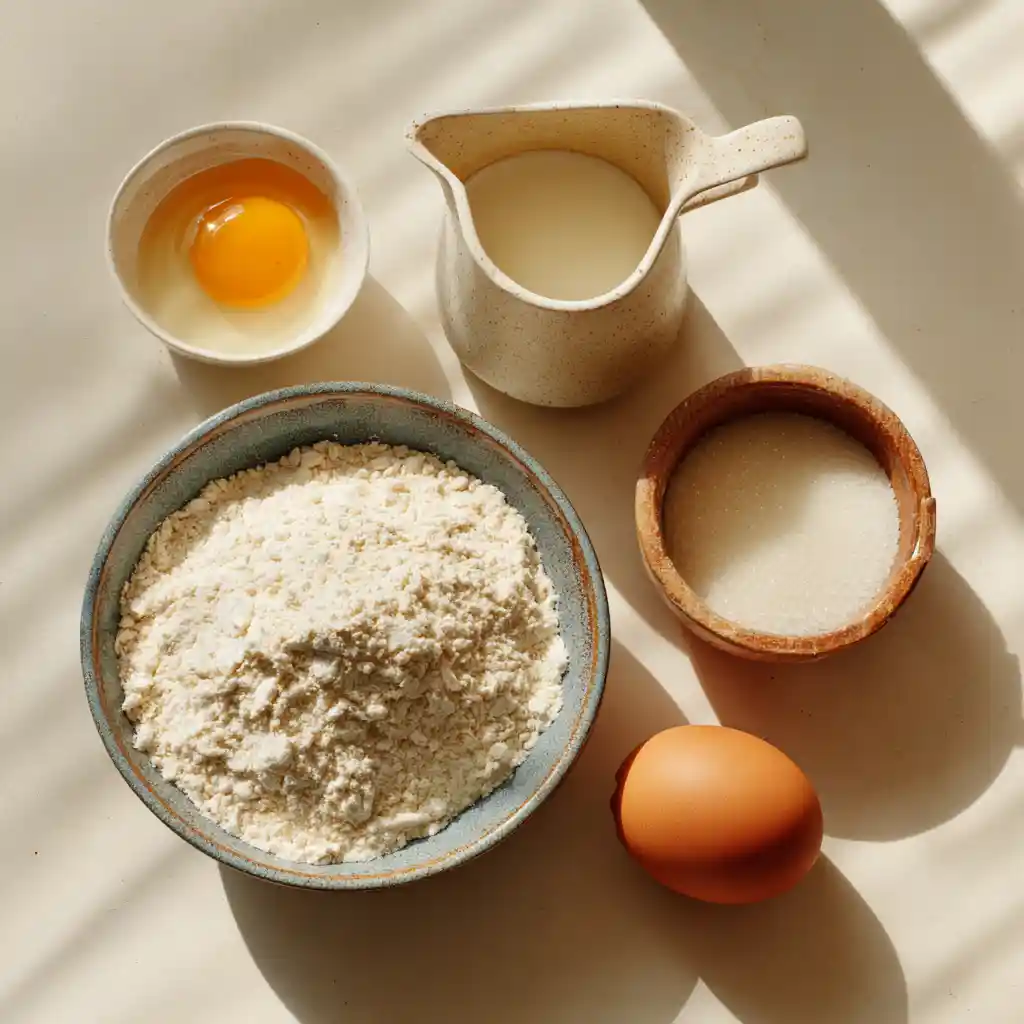
Essential Dry Ingredients
The foundation of any good pancake recipe lies in the dry ingredients. Flour, baking powder, sugar, and a pinch of salt set the stage for flavor and texture. For those who want to keep things extra simple, oat milk pancakes with self raising flour can be a real game-changer. Since self-raising flour already contains baking powder and salt, you save time measuring and ensure consistent fluffiness in every batch. If you prefer more control over your recipe, you can always use all-purpose flour and adjust the leavening yourself.
Another important consideration is whether you want classic or whole-grain pancakes. All-purpose flour will give you a lighter stack, while whole wheat flour adds a hearty flavor and extra fiber. For families, mixing half and half can balance both taste and nutrition.
Wet Ingredients and Oat Milk’s Role
Once you’ve set up your dry base, it’s time to add the wet ingredients. Oat milk takes center stage here, adding a mild sweetness and creamy texture that blends beautifully with flour. Depending on your dietary needs, you can choose to add eggs or skip them. For instance, oat milk pancakes no egg are perfect if you’re vegan or cooking for someone with allergies. In these cases, a flaxseed or chia egg substitute works well to bind the batter without sacrificing fluffiness.
If you do choose to include eggs, they provide extra structure and help the pancakes rise a bit more. Both versions are delicious—the choice depends on whether you want to keep your recipe completely plant-based or prefer the traditional texture that eggs deliver.
Step-by-Step Recipe for Oat Milk Pancakes
Mixing the Batter Correctly
The secret to light, golden pancakes begins with mixing. Start by whisking your dry ingredients—flour, baking powder, sugar, and salt—in a large bowl. In another bowl, combine your wet ingredients: oat milk, a touch of oil or melted butter, and vanilla extract if you’d like a hint of sweetness. Slowly pour the wet into the dry, stirring just until combined.
For oat milk pancakes with egg, add one or two eggs into the wet mixture before combining. Eggs add richness, help the batter hold together, and give pancakes a slightly higher rise. But if you prefer oat milk pancakes no egg, don’t worry—you won’t lose the magic. Instead, swap the eggs for a flaxseed or chia “egg” (1 tablespoon seeds mixed with 3 tablespoons water, left to gel for 5 minutes). This keeps the recipe plant-based while still giving the batter structure.
Remember: the key to fluffy pancakes is not overmixing. A few lumps in the batter are perfectly fine. Over-stirring will develop gluten and make your pancakes tough instead of tender.
Cooking Tips for Fluffy Pancakes
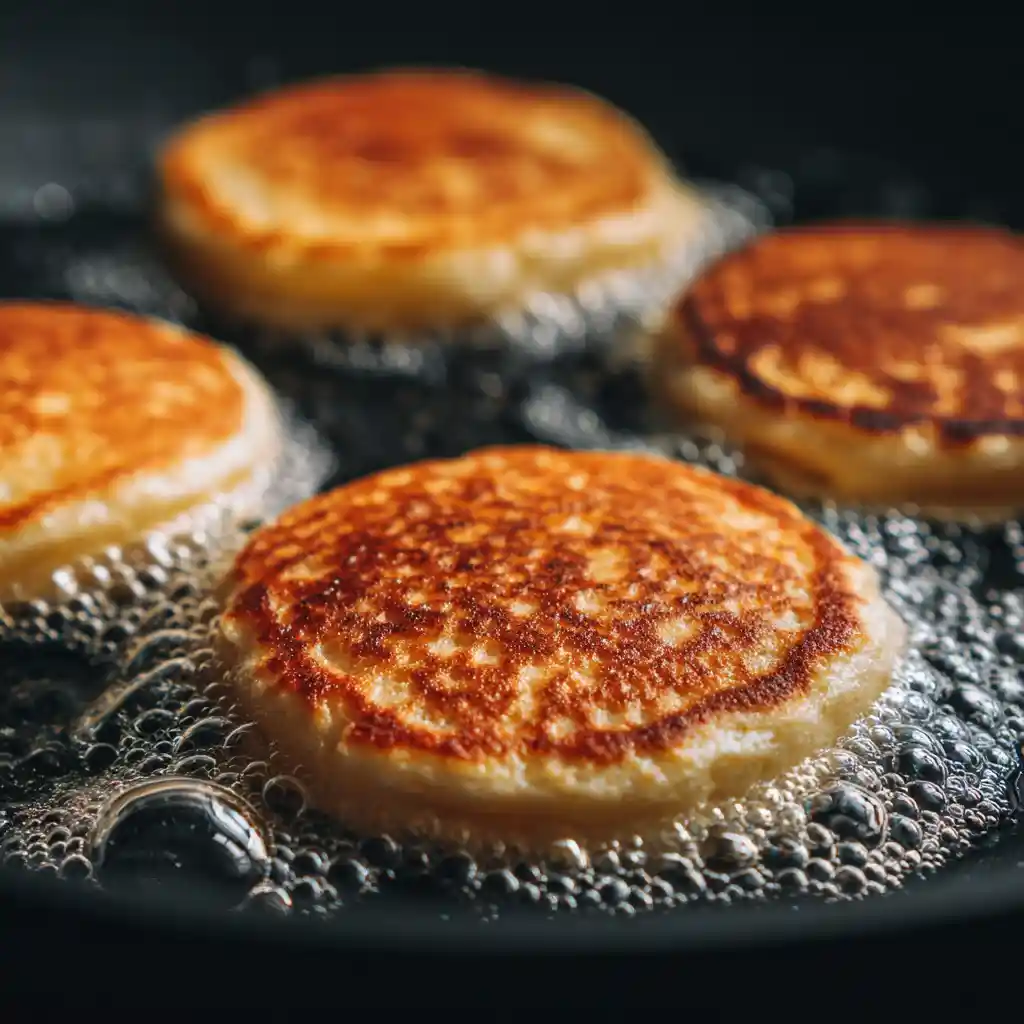
Preheat a non-stick skillet or griddle over medium heat and lightly grease it. Pour about ¼ cup of batter per pancake, leaving space between each. Wait until small bubbles form on the surface before flipping—this usually takes 2–3 minutes. Cook the other side for another 1–2 minutes until golden brown.
If you like thinner pancakes, you can add a little extra oat milk to loosen the batter. If you prefer them extra thick, use less liquid and cook them at a slightly lower heat to prevent burning before the center sets.
Stack your pancakes high, add your favorite toppings, and enjoy the soft, flavorful result. With oat milk as the star ingredient, these pancakes are versatile enough to please both vegans and non-vegans alike.
Variations of Oat Milk Pancakes
Vegan Oat Milk Pancakes Without Eggs
If you’re following a completely plant-based lifestyle, oat milk is an excellent base for creating soft and fluffy vegan pancakes. Simply replace eggs with a flax or chia substitute, or even unsweetened applesauce. These swaps add moisture and binding power without changing the flavor. Vegan oat milk pancakes pair wonderfully with fresh fruit, nut butter, or a drizzle of maple syrup. They’re proof that comfort food can be wholesome, simple, and entirely dairy-free.
Gluten-Free and Thin Oat Milk Crepes
For those who prefer lighter breakfasts, you can transform your pancake batter into oat milk crepes. By adding a little more oat milk and reducing the flour, you’ll create a thinner batter that spreads easily across a hot skillet. The result is delicate, flexible crepes perfect for sweet fillings like berries and cream, or savory ones like sautéed mushrooms and spinach. This variation highlights just how versatile oat milk can be—it adapts beautifully to both traditional pancakes and French-inspired crepes.
Gentle Oat Milk Pancakes for Baby
Parents often look for softer, simpler recipes for little ones, and oat milk pancakes for baby are a fantastic choice. Made without added sugar and sometimes without salt, these pancakes are tender enough for small hands and mouths. You can mash bananas or add a spoonful of puréed fruit into the batter for natural sweetness. Skip honey for children under one year old, and instead serve with unsweetened fruit compote or mashed berries. This way, you’re offering a healthy, delicious breakfast that’s safe and nourishing for babies and toddlers.
If you’re cooking for someone with egg allergies or simply want a plant-based option, you’ll love these egg-free pancakes. They’re soft, delicious, and prove you don’t need eggs to achieve perfect pancakes.
Common Mistakes and Fixes
Why Pancakes Turn Out Flat
One of the most common issues people face is ending up with pancakes that lack height or fluff. This usually happens if your leavening agent—baking powder or baking soda—is expired or not measured correctly. Always check freshness dates and make sure you use the right amount. Overmixing the batter can also be the culprit, as it develops gluten in the flour, resulting in dense or chewy pancakes instead of light, airy ones.
Another factor is liquid balance. If the batter is too runny, it won’t hold its shape, and you’ll likely end up with oat milk pancakes thin and flat. The fix is simple: add a little more flour or reduce the amount of oat milk until the batter is thick but pourable.
How to Prevent Pancakes from Being Too Dense
On the flip side, some people worry about pancakes that feel heavy or gummy in the center. This often happens if you overpack flour into your measuring cup or if you skip sifting. Using too much flour throws off the ratio, making the pancakes dense instead of fluffy. To fix this, spoon flour lightly into the measuring cup and level it off without pressing down.
Another trick is to let your batter rest for about 5–10 minutes before cooking. This gives the baking powder time to activate and the flour time to hydrate properly, ensuring soft and tender pancakes. Finally, cooking on the right heat matters—too high and they burn on the outside while staying raw inside; too low and they won’t rise properly. Medium heat is the sweet spot for even cooking and a golden finish.
Comparing Oat Milk with Other Plant-Based Milks in Pancakes
Oat Milk vs Almond Milk Pancakes
When it comes to dairy-free pancakes, almond milk is one of the most common substitutes. It’s light, nutty, and widely available. However, because almond milk is thinner than oat milk, the batter tends to be looser, often producing pancakes that are flatter and slightly less rich in flavor. Oat milk, on the other hand, has a natural creaminess that creates a thicker batter and results in pancakes with a closer texture to traditional buttermilk pancakes. If you prefer hearty, fluffy stacks, oat milk usually delivers better results than almond milk.
Oat Milk vs Soy Milk Pancakes
Soy milk is another popular dairy-free option, with a protein content similar to cow’s milk. This higher protein can help give pancakes more structure, but it sometimes adds a noticeable “beany” flavor that not everyone enjoys. Oat milk provides a neutral taste that blends seamlessly with sweet or savory toppings, making it more versatile for family meals. For those following a fully plant-based lifestyle, many home cooks agree that oat milk pancakes vegan tend to taste closer to the real thing compared to soy-based versions.
Both alternatives can work well, but oat milk’s smooth flavor and texture give it an edge, especially for cooks who want their pancakes to feel as indulgent as the classic recipe while still being dairy-free.
Serving Ideas and Toppings for Oat Milk Pancakes
Classic Sweet Toppings
Nothing beats a stack of warm pancakes with classic toppings. Maple syrup, fresh berries, whipped cream, or a drizzle of melted chocolate are all timeless choices. If you’re feeling indulgent, add a pat of butter or a spoonful of fruit preserves for extra richness. Oat milk pancakes pair beautifully with sweet toppings because their mild flavor allows the toppings to shine without overwhelming the dish.
Savory Twists with Oat Milk Pancakes
Pancakes don’t always have to be sweet. For a savory spin, try topping your oat milk pancakes with avocado slices, sautéed mushrooms, or a fried egg. You can even use thinner pancakes as a base for smoked salmon and cream cheese, creating a brunch-worthy plate that’s both hearty and refined. These savory twists are perfect if you’re looking to turn breakfast into a full meal.
Gentle Toppings for Babies and Toddlers
If you’re preparing oat milk pancakes for baby, keep toppings simple and safe. Avoid honey for children under one year old, and instead use mashed banana, unsweetened applesauce, or puréed berries for natural sweetness. Soft fruit like ripe peaches or pears cut into small pieces also works well. This way, babies and toddlers can enjoy a nutritious, baby-friendly breakfast while still getting the same comfort and joy that pancakes bring to the table.
Frequently Asked Questions About Oat Milk Pancakes
Can I use oat milk instead of milk in pancakes?
Can I use oat milk in place of regular milk in baking?
What happens to oat milk when heated?
Can you make pancakes with plant-based milk?
What’s the best substitute for milk in pancakes?
Conclusion
Final Thoughts on Oat Milk Pancakes
Oat milk pancakes are proof that comfort food can be both nourishing and inclusive. Whether you prefer oat milk pancakes with egg for extra richness or oat milk pancakes no egg for a vegan-friendly twist, this recipe adapts to your lifestyle with ease. From fluffy stacks topped with maple syrup to delicate oat milk crepes or even baby-friendly variations, the possibilities are endless.
The best part? Oat milk delivers the same soft texture and golden color as dairy, making it one of the easiest swaps in any pancake recipe. So, the next time you’re craving a cozy breakfast, grab your skillet, pour the batter, and enjoy a stack of pancakes that everyone at the table can love.
For a fruity addition to your breakfast table, try these dairy-free blueberry muffins. Bursting with blueberries and tender in texture, they’re the perfect companion to a stack of oat milk pancakes.