
Oat flour pancakes aren’t just another breakfast recipe for me—they’re part of my story. Hello, I’m Jenna Cooper, a chef from Asheville, North Carolina, where my love for cooking first began in my Aunt Evelyn’s cozy kitchen. Pancakes were always on the table, sometimes fluffy, sometimes imperfect, but always delicious.
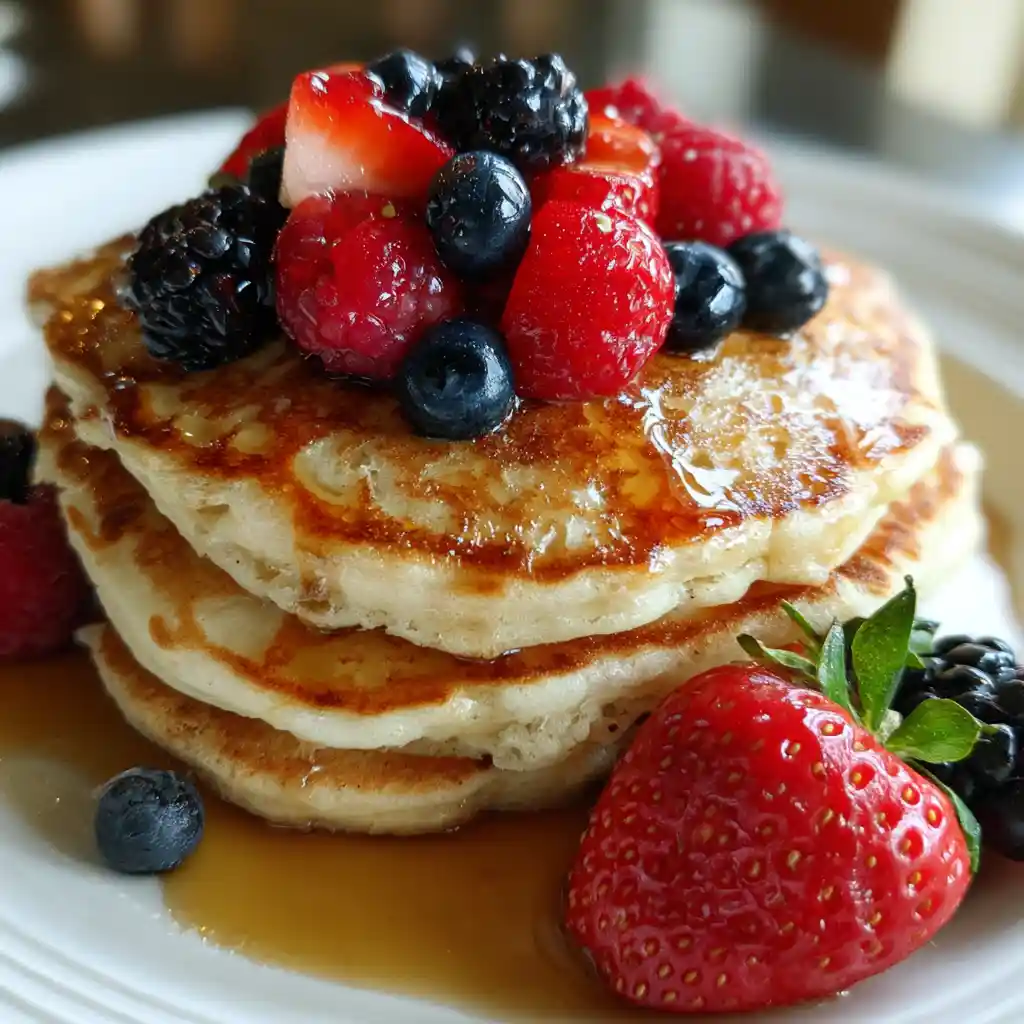
Years later, after traveling the U.S. and exploring countless dishes, I returned home with one mission: to make cooking approachable, joyful, and nourishing for everyone. That’s why I love experimenting with recipes that are healthy enough for weekday mornings yet fluffy enough to feel like a weekend treat.
This pancake recipe is versatile and customizable—whether you’re making vegan variations, a dairy-free twist, or even a version for little ones. Cooking doesn’t need to be complicated. It just needs to be fun, satisfying, and full of flavor.
So let’s dive into everything you need to know about oat flour pancakes—from why they’re so popular, to how to make them perfectly fluffy, to common mistakes you’ll want to avoid.
If you love experimenting with different pancake recipes, don’t miss trying some other wholesome variations. For example, almond milk works wonderfully in place of dairy, and you can explore how it changes the flavor and texture in this guide to almond milk pancakes.
Table of Contents

Oat Flour Pancakes
Ingredients
Equipment
Method
- In a medium bowl, whisk together oat flour, baking powder, sugar, and salt.
- In another bowl, combine milk, egg, and vanilla extract.
- Stir wet ingredients into dry until just combined. Do not overmix.
- Let the batter rest for 5 minutes to thicken.
- Heat a nonstick skillet over medium heat and grease lightly with butter or oil.
- Pour 1/4 cup of batter for each pancake. Cook until bubbles form on the surface, then flip and cook until golden brown.
- Serve warm with maple syrup, fruit, or yogurt.
Notes
Why Oat Flour Pancakes Are Becoming Popular
A Healthier Twist on a Classic Breakfast
In recent years, more people have been searching for wholesome alternatives to traditional pancakes. By swapping refined white flour for oat flour, you get a breakfast that’s naturally rich in fiber, vitamins, and minerals. The result is filling, nourishing, and doesn’t cause the mid-morning crash linked to refined flour. Families love them because they deliver nutrition without losing the familiar comfort of a stack of warm pancakes.
The Rise of Special Diets and Lifestyle Choices
Another reason for their popularity is how adaptable they are to different lifestyles. Whether you’re looking for vegan oat flour pancakes, a dairy-free option, or even a version without eggs, there’s a style that works. This flexibility makes them appealing in households where people follow different diets, since one batter can easily be adjusted for everyone.
A Pancake Recipe for Busy Lives
Life is fast-paced, and breakfast often gets skipped. That’s why simple versions like oat flour pancakes (3 ingredients) are gaining attention. They’re quick to prepare, freezer-friendly, and easy to reheat for a weekday breakfast. For busy families or anyone short on time, they’re a healthy solution without extra effort.
The Appeal of Fluffiness and Comfort
Of course, taste and texture matter most. Recipes like oat flour pancakes banana bring natural sweetness, while oat flour pancakes with yogurt create a richer bite. Both methods help achieve a texture that’s light, tender, and fluffy, proving that healthy doesn’t mean sacrificing comfort.
What is Oat Flour?
How Oat Flour is Made
Oat flour is created by finely grinding whole oats until they form a soft, powdery texture. You can easily make it at home by blending rolled oats or quick oats in a high-speed blender. This simple process makes it an affordable and accessible flour substitute, especially for those who want to create a healthy pancake recipe without relying on refined grains.
Nutritional Profile of Oat Flour
Compared to all-purpose flour, oat flour is packed with nutrients. It’s naturally high in dietary fiber, which helps with digestion and keeps you fuller for longer. Oats are also rich in manganese, magnesium, and B vitamins, all of which play a role in energy production and overall health. This makes oat flour a smart choice for anyone seeking nutrient-dense alternatives for breakfast or snacks.
Benefits Beyond Pancakes
While it shines in pancakes, oat flour is also a versatile ingredient in muffins, cookies, and breads. Its mild flavor pairs well with sweet or savory recipes. Many people prefer it for baby-friendly foods, which is why oat flour pancakes for baby are becoming more popular. It’s gentle on young stomachs and can be customized with bananas, applesauce, or yogurt for added nutrition.
Why Choose Oat Flour Over Other Flours?
Unlike coconut or almond flour, oat flour creates a softer, more familiar texture. It doesn’t require as many eggs or binders, which is especially helpful if you want oat flour pancakes without eggs or oat flour pancakes without milk. It’s a great middle ground for those who want healthy alternatives without complicating the recipe.
Why Choose Oat Flour Pancakes?
Health Benefits of Choosing Oat Flour
One of the biggest reasons people turn to oat flour pancakes is their nutritional advantage. Oats are naturally rich in soluble fiber, which supports heart health and helps maintain steady blood sugar levels. Unlike refined white flour, oat flour digests more slowly, giving you longer-lasting energy. This makes them an excellent option for anyone looking for oat flour pancakes healthy enough to enjoy daily without guilt.
A Better Texture for Breakfast
When made correctly, oat flour creates a pancake that’s soft, light, and slightly nutty in flavor. Many home cooks worry about losing fluffiness when switching flours, but with the right ratio of liquid and leavening, you can enjoy oat flour pancakes fluffy and delicious. Adding banana or yogurt to the batter is a common trick to create extra moisture and bounce.
Adaptable for Any Diet
Another reason to choose this type of pancake is how versatile it is for different diets. Whether you’re making vegan oat flour pancakes for a plant-based lifestyle or a no-dairy version with oat milk, there’s a variation to suit everyone. This flexibility makes them ideal for families with mixed preferences or for anyone experimenting with healthier substitutes.
Comfort Without Compromise
At the end of the day, pancakes are comfort food. Choosing oat flour doesn’t mean giving up that weekend stack you crave. Instead, it’s about bringing balance—something that feels indulgent while still being good for your body. For parents, it’s also a comforting way to serve a wholesome pancake recipe that kids will happily enjoy.
Step-by-Step Recipe for Oat Flour Pancakes

Basic Oat Flour Pancake Recipe
Making these pancakes is simple and quick. With just a few pantry staples, you can whip up a batch that’s wholesome and satisfying. Here’s a reliable recipe:
Ingredients:
- 1 cup oat flour
- 1 tablespoon baking powder
- 1 tablespoon sugar or honey (optional)
- 1/4 teaspoon salt
- 1 cup milk (dairy or non-dairy)
- 1 large egg
- 1 teaspoon vanilla extract
Instructions:
- In a medium bowl, whisk together oat flour, baking powder, sugar, and salt.
- In another bowl, mix milk, egg, and vanilla.
- Combine wet and dry ingredients, stirring just until blended. The batter should be slightly thick.
- Heat a nonstick skillet over medium heat. Lightly grease with butter or oil.
- Pour 1/4 cup batter for each pancake and cook until bubbles form on the surface, then flip.
- Serve warm with maple syrup, fruit, or yogurt.
This recipe makes about 6 medium pancakes, perfect for 2–3 servings.
Ingredient Substitutions for Dietary Needs
One of the best things about these pancakes is how adaptable they are:
- Oat flour pancakes without eggs: Replace the egg with a flax egg (1 tbsp ground flax + 3 tbsp water) or 1/4 cup applesauce.
- Oat flour pancakes without milk: Swap dairy milk for almond, oat, or soy milk.
- Vegan oat flour pancakes: Use both substitutions above and sweeten with maple syrup instead of honey.
- Oat flour pancakes with yogurt: Mix 2–3 tablespoons of yogurt into the batter for extra moisture and richness.
- Oat flour pancakes banana: Mash 1 ripe banana into the batter for natural sweetness and a fluffy texture.
Quick and Simple Variations
For those who love minimal prep, try oat flour pancakes (3 ingredients): just blend banana, oat flour, and eggs (or a plant-based substitute) for a quick stack. If you want baby-friendly options, oat flour pancakes for baby can be made by skipping added sugar and using mashed fruit as a sweetener. These versions are soft, gentle, and easy for little ones to enjoy.
Many readers also ask about egg-free options. If you’re curious how to achieve fluffy results without eggs, check out this detailed recipe for egg-free pancakes.
Variations of Oat Flour Pancakes
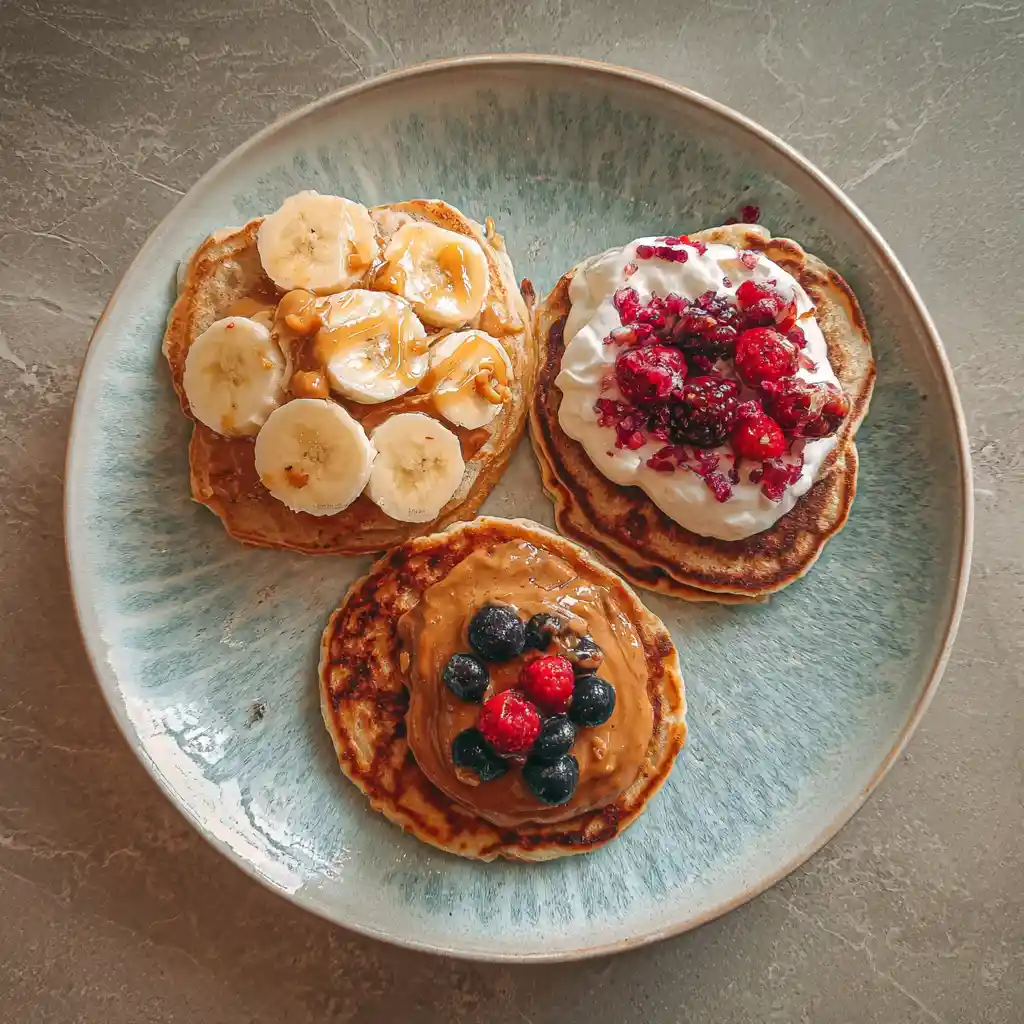
Vegan Pancakes with Oat Flour
For those following a plant-based lifestyle, vegan pancakes made with oat flour are a fantastic option. Simply replace the egg with a flax egg or applesauce and use oat milk or almond milk instead of dairy. These substitutions create a tender, flavorful stack that doesn’t compromise texture. Maple syrup, nut butter, or fresh berries are perfect toppings to keep them 100% vegan.
Protein-Packed Oat Pancakes
If you want a more filling breakfast, consider boosting the protein content. Add a scoop of protein powder to the batter, or stir in Greek yogurt for creaminess. This not only makes them more satisfying but also supports muscle recovery after workouts. Versions that include yogurt are especially popular among fitness enthusiasts.
Banana Oat Pancakes
Bananas are one of the most common add-ins because they bring both natural sweetness and moisture. Recipes with banana are perfect for kids and adults alike, offering a soft, fluffy texture without the need for added sugar. They also provide potassium, making them a wholesome choice for an energy-packed morning.
Egg-Free and Dairy-Free Options
Sometimes dietary needs or pantry limitations require flexibility. Fortunately, pancakes made with oat flour can easily be prepared without eggs or milk. Applesauce or mashed bananas work as excellent egg substitutes, while almond, soy, or oat milk keep the batter smooth and creamy. These adjustments allow everyone to enjoy a healthy stack regardless of restrictions.
Three-Ingredient Simplicity
For minimalists, the three-ingredient version is quick and convenient. All you need is flour, banana, and eggs (or a substitute). These are naturally sweet, soft, and take only minutes to make—ideal for busy mornings when you still want a nutritious breakfast.
Baby-Friendly Pancakes
Parents often look for healthy, soft foods for little ones, and baby-friendly oat pancakes are an excellent solution. Skip the sugar and sweeten naturally with fruit purées like apple or pear. The result is a soft, nutrient-dense meal that’s gentle on sensitive stomachs while still packed with flavor.
For those who prefer fruity twists in their baked goods, you might enjoy moving beyond pancakes into soft, citrusy flavors with these soft lemon cookies.
Common Mistakes When Making Oat Flour Pancakes

Why Pancakes Turn Out Mushy
One of the most common complaints about oat flour pancakes is that they can sometimes turn out mushy in the center. This usually happens when the batter is too wet or the pancakes are cooked at too high a temperature. Oat flour absorbs liquid differently than all-purpose flour, so it’s important to let the batter rest for a few minutes before cooking. This gives the flour time to soak up moisture and prevents a soggy texture.
Overmixing the Batter
Like any pancake recipe, overmixing is a big mistake. Stirring too much develops extra starch and can leave the pancakes dense and chewy. Instead, gently fold the wet and dry ingredients together until just combined. It’s perfectly fine if the batter looks a little lumpy.
Skipping the Right Binders
Because oat flour has no gluten, it needs a binder for structure. If you leave out eggs without replacing them, the pancakes may fall apart. For those who want oat flour pancakes without eggs, make sure to use applesauce, mashed banana, or a flax egg as a substitute. These not only hold everything together but also add flavor and moisture.
Using Too Much Liquid
Another reason for pancakes that don’t hold their shape is adding too much milk. If you’re making oat flour pancakes without milk, stick to thicker non-dairy options like oat milk or soy milk. Thinner plant-based milks can make the batter runny, resulting in flat pancakes instead of fluffy ones.
Not Adjusting for Add-Ins
Variations like oat flour pancakes banana or oat flour pancakes with yogurt can easily become heavy if you don’t adjust the dry-to-wet ratio. Bananas and yogurt add moisture, so reducing the milk slightly will help keep the pancakes light. For fluffier results, don’t forget to add a little extra baking powder to help the batter rise.
Tips and Tricks for the Best Oat Flour Pancakes
Rest the Batter Before Cooking
Unlike wheat flour, oat flour needs time to absorb liquid fully. Letting the batter rest for 5–10 minutes thickens it naturally and prevents the pancakes from being too runny. This step is especially important if you’re making oat flour pancakes fluffy enough to hold their shape on the griddle.
Use the Right Cooking Temperature
Cooking over high heat often leads to burnt outsides and raw centers. Medium heat is ideal. A nonstick skillet or well-seasoned cast iron pan ensures even browning. Lightly greasing the pan with butter or oil also helps create a crisp, golden edge.
Balance Wet and Dry Ingredients
The most successful pancakes come from a balanced batter. If you’re using yogurt or bananas in the mix, reduce the milk slightly to avoid excess moisture. Recipes like oat flour pancakes with yogurt or oat flour pancakes banana benefit from an extra pinch of baking powder to help lift the batter.
Don’t Overmix the Batter
A few lumps in your batter are not only acceptable but desirable. Overmixing can break down the structure of oat flour and result in dense pancakes. Stir just until the ingredients come together.
Try Simple Variations
Keeping a base recipe and switching up the add-ins is the easiest way to keep breakfast exciting. Oat flour pancakes (3 ingredients) are perfect for busy mornings, while vegan oat flour pancakes are ideal if you’re avoiding dairy and eggs. If you’re cooking for little ones, remember that oat flour pancakes for baby should be free of added sugar and flavored with fruit instead.
Comparing Oat Flour with Other Healthy Flours
Oat Flour vs. Almond Flour
Almond flour has become popular for low-carb and keto diets, but it behaves differently in baking. It’s higher in fat and lower in carbohydrates, giving a rich flavor but often requiring more eggs for structure. Oat flour, on the other hand, creates a lighter texture and works well in a simple pancake recipe without needing as many binders. For those who prefer nut-free options, oat flour pancakes are the safer choice.
Oat Flour vs. Coconut Flour
Coconut flour is highly absorbent, which means recipes often need more liquid and eggs to balance the dryness. While it delivers a unique coconut flavor, it can be tricky for beginners. In contrast, oat flour is easier to use and provides a mild, neutral taste. People who want something consistent and approachable often lean toward recipes like oat flour pancakes without eggs or with bananas, since they don’t require major adjustments.
Which Flour is the Healthiest for Pancakes?
The healthiest flour depends on your needs. Almond flour is nutrient-rich and low in carbs, while coconut flour is high in fiber. Oat flour stands out as a middle ground—it’s gluten-free when certified, rich in whole-grain nutrients, and versatile for both adults and kids. Whether you’re preparing vegan oat flour pancakes, baby-friendly versions, or even oat flour pancakes (3 ingredients), you get a balance of nutrition and simplicity.
Why Oat Flour Often Wins
While almond and coconut flours have their strengths, oat flour tends to be the easiest for everyday cooking. It delivers fluffy results without being complicated, and it pairs well with other ingredients like yogurt or fruit. Many people who switch from refined flour find oat flour pancakes healthy enough for daily meals but still comforting enough for weekend brunch.
FAQs about Oat Flour Pancakes
Can I use oat flour instead of all-purpose flour in pancakes?
Can you use oat flour in pancakes?
Can I use oat milk instead of regular milk for pancakes?
What is the healthiest flour to use for pancakes?
What happens if you use oat flour instead of all-purpose flour?
What are the three-ingredient healthy pancakes without flour?
Why are my oat flour pancakes mushy?
Conclusion
Oat flour pancakes are more than just a trend—they’re a smart, delicious way to enjoy a classic breakfast with a healthier twist. Whether you’re making them vegan, egg-free, dairy-free, or even baby-friendly, this versatile recipe adapts to any lifestyle. They can be as simple as oat flour pancakes (3 ingredients) for busy mornings or as indulgent as oat flour pancakes banana or with yogurt for a weekend treat.
The beauty of using oat flour is that it gives you comfort without compromise. You get a stack that’s hearty, fluffy, and satisfying, while also delivering whole-grain nutrition. From parents looking for better options for their children to fitness lovers searching for a nourishing post-workout meal, these pancakes fit into just about every kitchen.
So the next time you crave pancakes, reach for oat flour. With the right techniques and simple ingredients, you can create a recipe that’s both wholesome and full of flavor. Cooking is all about experimenting, and once you try oat flour pancakes, they might just become your new breakfast favorite.
And if you’re craving something berry-filled to go with your breakfast stack, these dairy-free blueberry muffins make the perfect companion.